
Beyond Survival Mode: How to Recognize and Reclaim Thriving
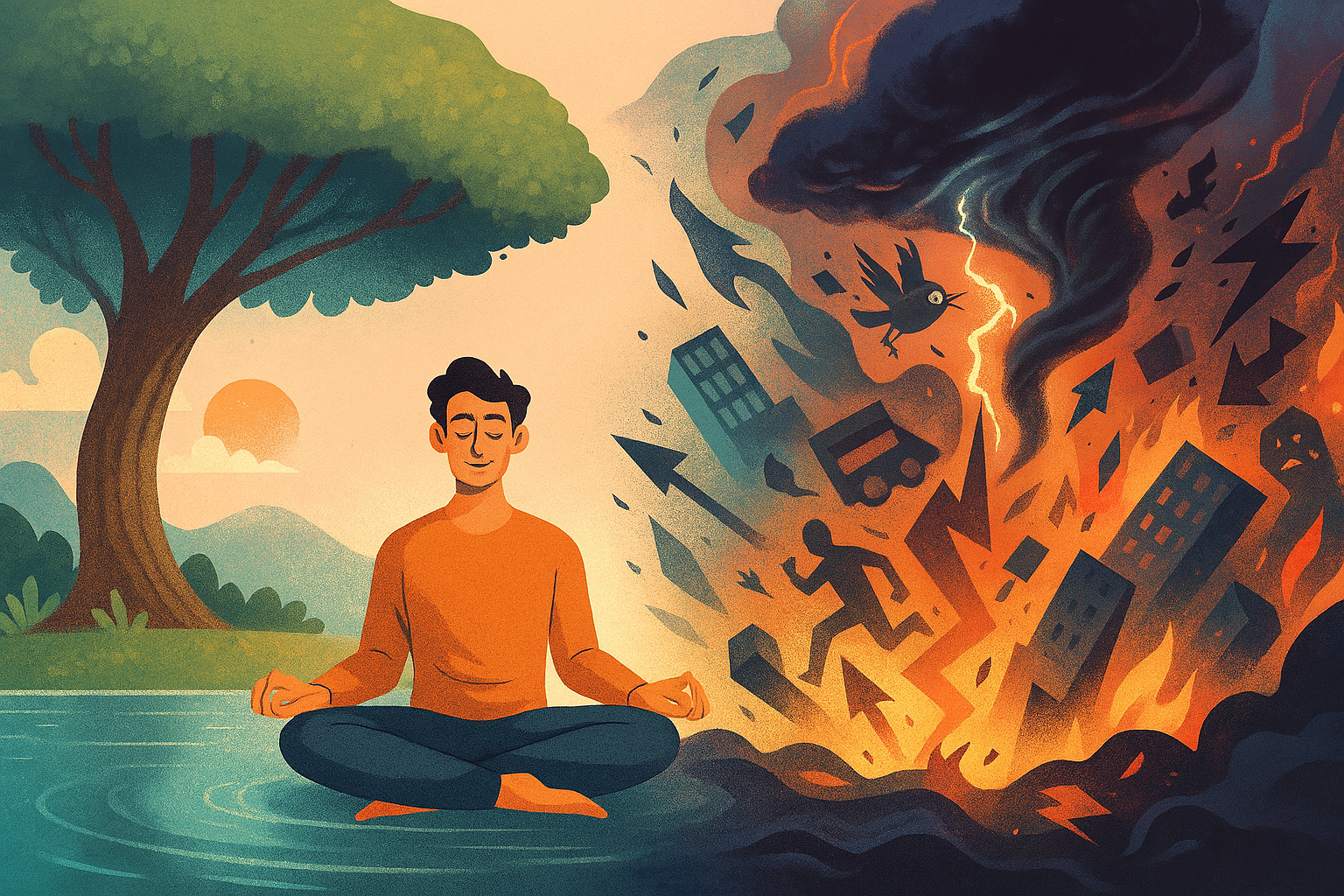
Beyond Survival Mode: How to Recognize and Reclaim Thriving
Life constantly presents challenges, and our nervous system is designed to respond. When danger or stress arises, we enter survival mode—the fight, flight, or freeze response. This state prioritizes immediate safety and basic needs. It’s useful in emergencies, but harmful if it becomes our default way of living.
Surviving means focusing only on getting through the day. You may feel stuck, exhausted, or disconnected. Joy and creativity feel out of reach.
Thriving means engaging fully with life. You feel connected, purposeful, and resilient. Challenges still come, but you navigate them with strength and hope.
Survival mode keeps you alive. Thriving mode helps you live.
The Nervous System: Rest and Digest vs. Fight or Flight
Our autonomic nervous system has two main branches:
Sympathetic nervous system (fight or flight): Activated during stress or danger. Heart rate rises, digestion slows, muscles tense.
Parasympathetic nervous system (rest and digest): Activated during safety and calm. Heart rate slows, digestion improves, and the body repairs itself.
When you’re in survival mode, your sympathetic system dominates. When you’re thriving, your parasympathetic system is active, allowing you to rest, digest, and connect.
How to Know Which State You’re In
Signs of Survival Mode:
Constant stress or anxiety
Difficulty sleeping
Feeling emotionally numb or disconnected
Trouble making decisions or planning ahead
Hypervigilance—always on edge
Physical symptoms: tight muscles, stomach issues, headaches
Signs of Rest and Digest (Thriving Mode):
Calm breathing and steady heart rate
Ability to enjoy food and digest well
Feeling present and connected to others
Emotional resilience—you can feel emotions without being overwhelmed
Creativity and problem-solving come more easily
A sense of hope and purpose
Recognizing these signs helps you understand whether you’re surviving or thriving. Awareness is the first step toward change.
Moving from Surviving to Thriving
Transitioning from survival mode to thriving requires intentional practices that reset the nervous system and build resilience. Here are strategies to help:
1. Breathwork and Relaxation
Slow, deep breathing signals safety to the body, activating the parasympathetic system. Practices like meditation, yoga, or mindfulness help calm the mind and body.
2. Healthy Lifestyle Habits
Nutrition, exercise, hydration, and sleep all support nervous system balance. When your body feels safe and cared for, your mind follows.
3. Connection and Belonging
Relationships are essential for thriving. Sharing experiences, receiving support, and practicing accountability help you feel grounded and valued.
4. Narrative Therapy
Often, survival mode is reinforced by the stories we tell ourselves: “I’m not safe,” “I’ll never succeed,” “I’m unworthy.” Narrative therapy helps you challenge and rewrite these stories, creating new narratives of strength, hope, and possibility.
5. Tradition and Meaning
Rituals, traditions, and spiritual practices anchor us in something larger than ourselves. They provide continuity, identity, and peace.
Why Thriving Matters
Living in survival mode long-term can lead to burnout, anxiety, depression, and physical illness. Thriving, on the other hand, allows you to:
Build resilience against stress
Experience joy and creativity
Strengthen relationships
Improve physical health
Live with purpose and fulfillment
Thriving doesn’t mean avoiding challenges—it means facing them with strength, clarity, and hope.
If you want to learn more about these concepts, here are areas to explore further:
The nervous system and stress response: How fight-or-flight and rest-and-digest work.
Mind-body practices: Meditation, yoga, breathwork, and mindfulness.
Narrative therapy: How rewriting your personal story can shift you from surviving to thriving.
Lifestyle medicine: Nutrition, exercise, sleep, and hydration as foundations for mental health.
Community and tradition: The role of belonging and accountability in emotional resilience.
Each of these areas offers practical tools to help you move from survival mode into thriving.
If you recognize yourself in survival mode, know this: you don’t have to stay there. Legend Counseling is here to help you reset, realign, and reclaim your life. Our therapists specialize in guiding individuals from surviving to thriving, using approaches like narrative therapy, lifestyle coaching, and trauma-informed care.
Schedule your appointment with Legend Counseling today. Together, we’ll help you move beyond survival, embrace rest and digest, and build a life of resilience, joy, and purpose.
Your journey to thriving starts now.
